
What does mandatory reporting require in your state—and how does that relate to ELCA policy? When should the bishop be involved? How can a congregation faithfully and safely include a registered sex offender? And what policies and resources are available to help congregations prepare before difficult situations arise?
The Grand Canyon Synod invites rostered ministers and lay leaders to join a practical conversation with Kendra Stea, ELCA Director, Misconduct Prevention, on Tuesday, August 18, at 10:00 a.m. Arizona/PDT via Zoom. This 90-minute gathering will offer guidance and resources for congregations working to create safer communities and navigate sensitive situations with care, accountability, and compassion.
Register here to receive the Zoom link.
The conversation will address several questions and resources especially important for congregational leaders:
Mandatory reporting: Who is required to report, what must be reported, when and where reports should be made, and how state requirements relate to ELCA policy.
Involving the bishop: Guidance for determining when a concern should also be reported to or discussed with the bishop and synod staff.
Sex offenders in congregations: Options and practices for congregations discerning how to safely include people with histories of sexual offenses.
Sex offender covenants: Resources for establishing clear expectations, boundaries, accountability, and safeguards.
Behavior agreements: Tools for addressing concerning or disruptive behavior that does not involve sexual misconduct.
Safe Church policies: Templates and other churchwide resources to help congregations develop or strengthen their own policies.
Protecting children and vulnerable adults: ELCA resources and guidance supporting the church’s responsibility to safeguard children and adults who may be particularly vulnerable.
Congregational leaders regularly encounter situations in which pastoral care, legal responsibilities, safety, confidentiality, accountability, and the desire to welcome people into Christian community can intersect in complicated ways. Clear policies and established practices can help leaders respond thoughtfully rather than trying to determine the right course of action in the middle of a crisis.
As Lutherans, safeguarding our worshiping communities is more than a matter of institutional policy. It is part of our vocation to love our neighbors and steward communities in which the dignity, safety, and well-being of every person are taken seriously.
The session is planned for 90 minutes, including time for questions and discussion. Pastors, deacons, council leaders, congregational staff, and other lay leaders are encouraged to participate.
Registration is required. Register in advance to receive the Zoom link.
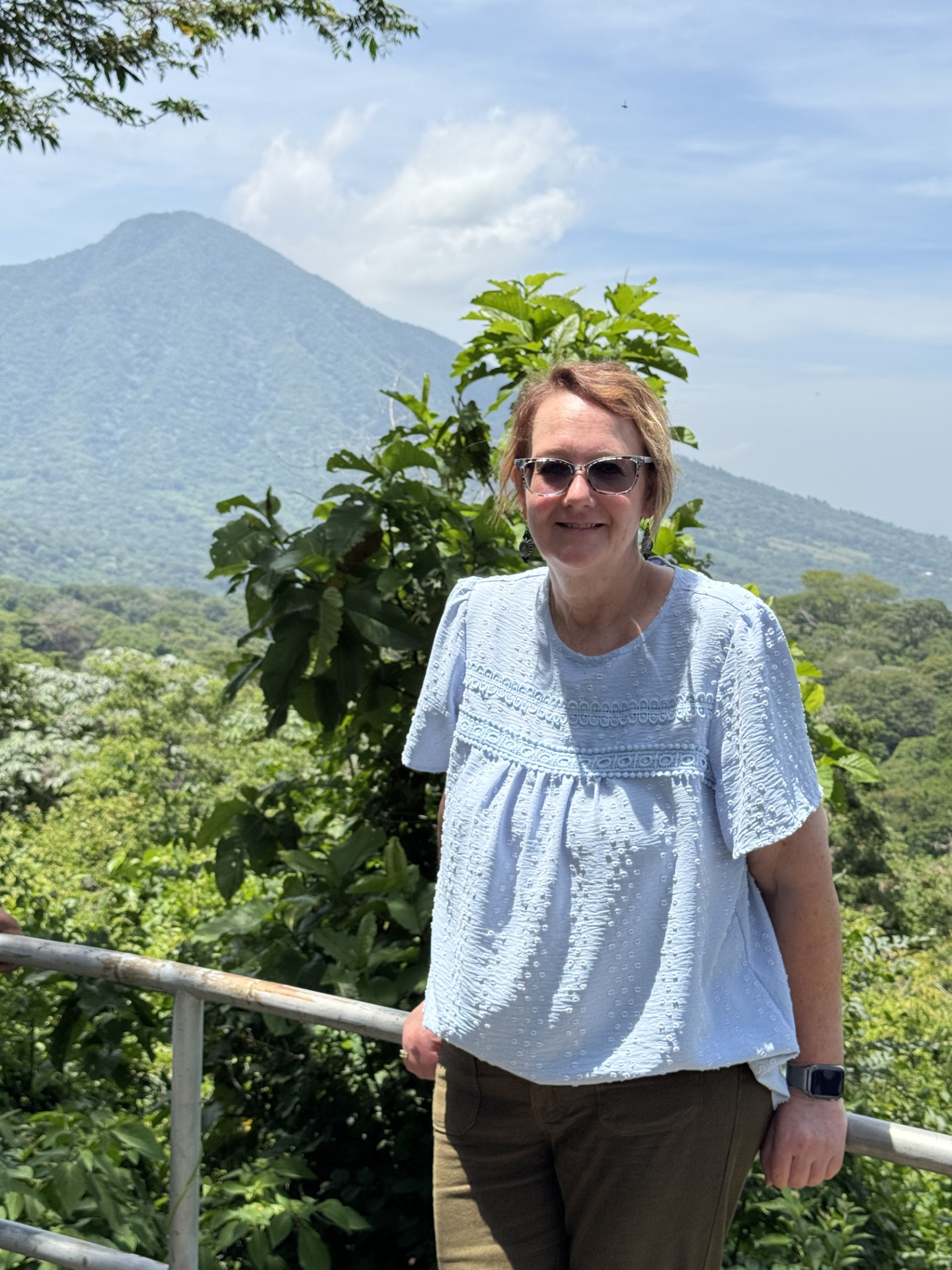
About Kendra Stea
Kendra’s background includes work in training and development, leadership development, learning design, organizational development, behavioral health, and government relations. She is a certified DEIB and Organizational Development Practitioner; EQ-i 2.0 Coach (MHS); former Global Professional Instructor for Nonviolent Crisis Intervention®; and a National Certified Counselor. She has been in her role at the ELCA since February of 2025
Kendra grew up on a dairy farm in the midwest. She's since traded rural life for urban life living in Milwaukee, WI. She is an avid theater goer, and season ticket holder for the Milwaukee Bucks and the Milwaukee Brewers and the proud aunt to 16 nieces and nephews. She is active in her church as a part of the music ministry team, a former youth leader, and current leader of the El Salvador Partnership ministry (see photo from our recent trip).