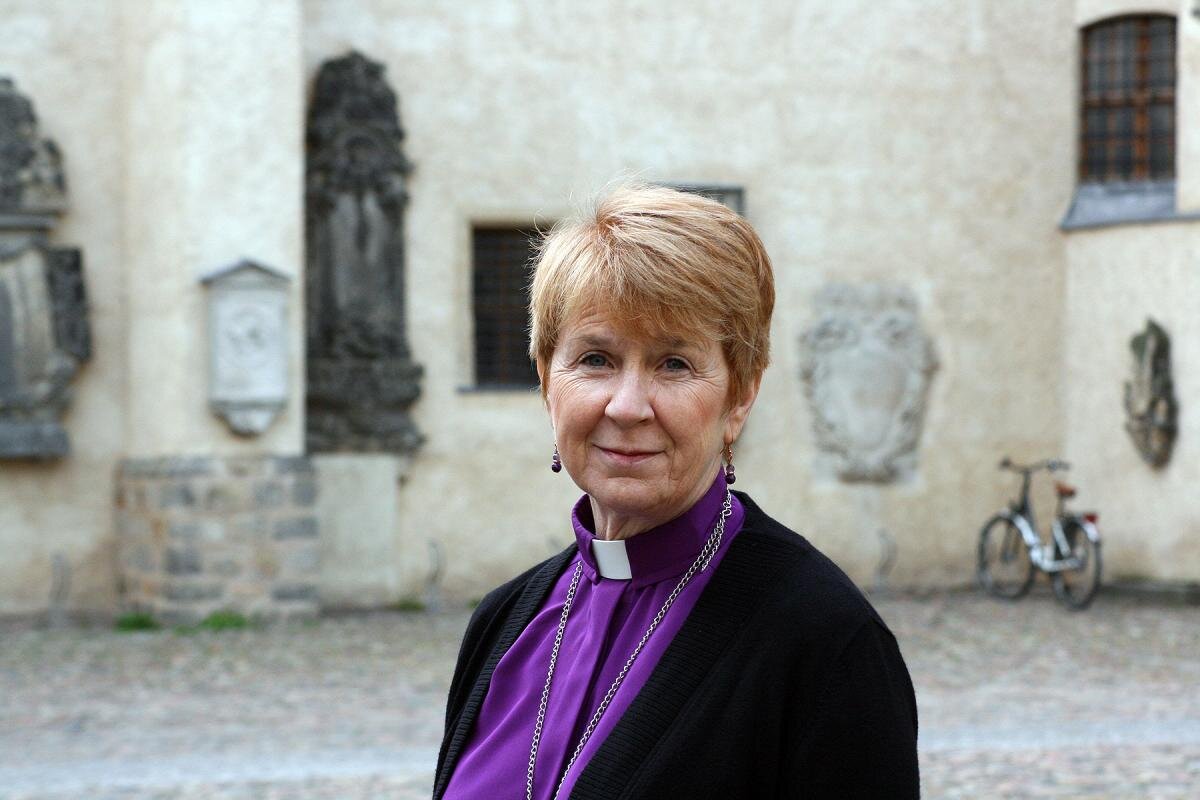
Bishop Hutterer: Vote with Confidence
Dear siblings in Christ,
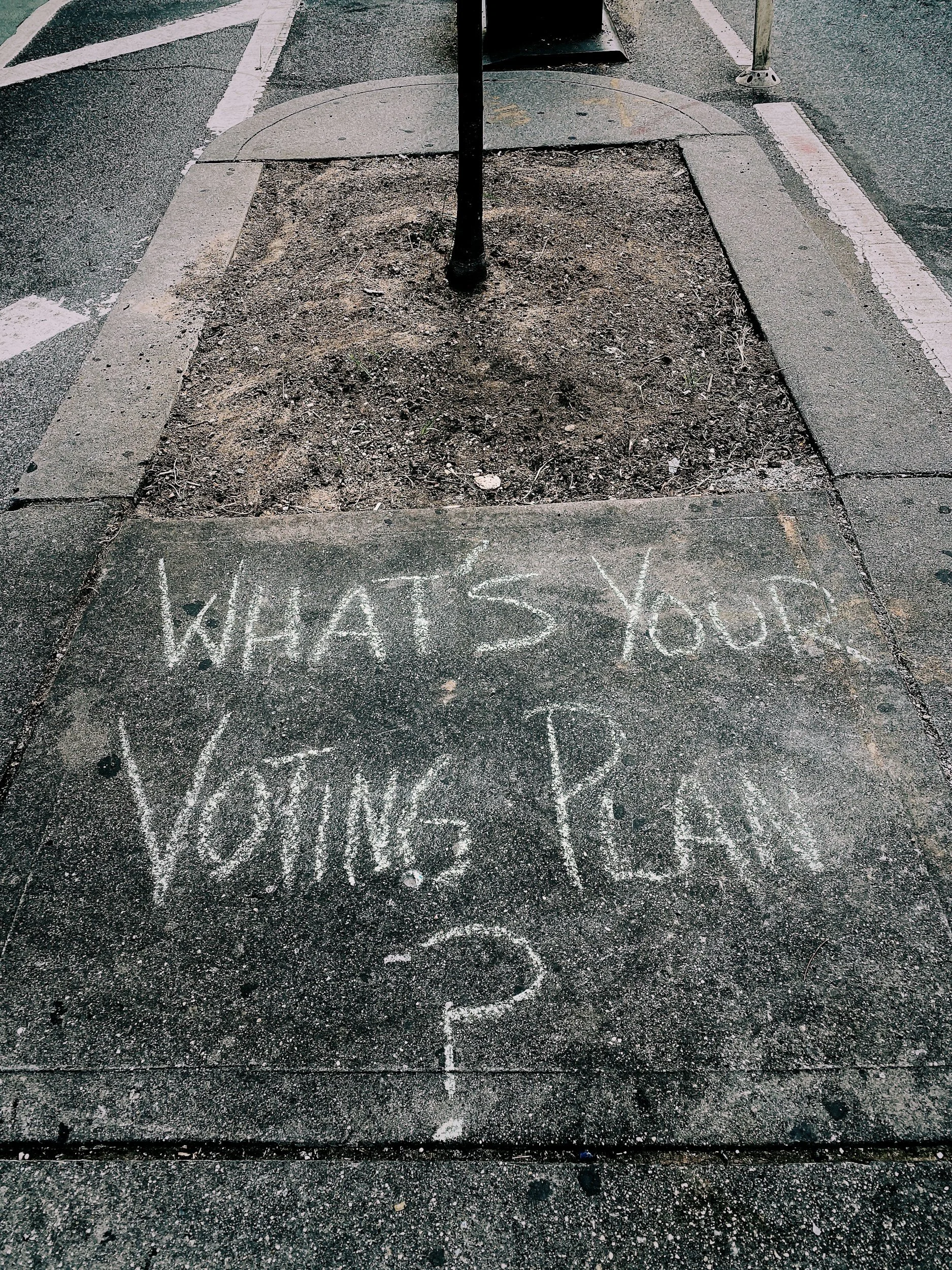
As the November 3 elections approach, I invite every eligible voter to make a plan to participate. Learn about the candidates and questions on your ballot, check your registration, and choose the voting method that works for you. Our votes are one way we take responsibility for the well-being of our neighbors and communities.
When we vote, we help shape the decisions that affect our schools, neighborhoods, public institutions, and the lives of people who are too often overlooked. Participating in an election is an act of faithful citizenship and a practical expression of our care for the common good.
In his call to be trusted messengers this election season, Presiding Bishop Yehiel Curry asks our church to be faithful, informed, and engaged. He also calls us to check information before we repeat it and to help our neighbors find accurate election guidance. That is especially important when questions about voting by mail have left people uncertain.
On September 14, the U.S. Supreme Court left in place an order blocking a new Postal Service mail-ballot rule for this election. Voters in our synod can continue to use the mail-ballot processes provided by their state or by the Navajo Nation. Election offices describe those processes as secure. Voters should follow the instructions that come with their ballot, return it on time, and use official election offices to check its status or ask questions.
Please note these dates for the November 3 general election:
Arizona: Register by October 5. Early ballots begin going out October 7. If you need to request a ballot by mail, do so by October 23. Your completed ballot must reach an election official or official drop-off location by 7 p.m. on November 3. (Arizona election dates · Mail-ballot instructions and tracking)
Utah: Register by 5 p.m. on October 23 to avoid voting a provisional ballot; in-person registration is also available on Election Day. Active registered voters receive a ballot by mail. Mail ballots must be received by 8 p.m. on November 3. (Utah’s 2026 election calendar · Ballot tracking)
Nevada: Standard registration by mail or in person closes October 6. Later online and same-day registration options are available, though voters registering close to Election Day may need to vote in person. Mail ballots must be postmarked by November 3 and received by 5 p.m. on November 7. (Nevada registration law · 2026 election dates and mail-ballot guidance)
Navajo Nation: This is a separate election with its own registration and absentee-voting rules. Register by 5 p.m. on September 24. Applications to request an absentee ballot by mail are due by 5 p.m. on October 19. Follow the ballot’s return instructions or contact the Navajo Election Administration at 1-800-775-VOTE.
Arizona voters who would like a faith-based resource for studying the statewide propositions may also consult Lutheran Advocacy Ministry Arizona’s 2026 Voter Guide. It is offered as a resource for discernment; each voter makes their own decisions.
Finally, remember that election-night totals are unofficial. Election officials continue counting eligible ballots, checking the totals, and certifying the results afterward. A change in the reported totals during that process is not, by itself, evidence of wrongdoing. The U.S. Election Assistance Commission explains this process. When a claim about an election concerns you, seek information from the responsible election office before sharing it.
May our conversations be marked by honesty, patience, and care for one another. Please make your voting plan, help a neighbor find reliable information, and pray for voters and election workers alike.
With you in Christ,

The Rev. Deborah K. Hutterer
Bishop
Grand Canyon Synod of the ELCA