ELCA resources
The Evangelical Lutheran Church in America provides social statements, advocacy information and resources.
Caring for God's creation is an ever-evolving topic in this world, as climate change accelerates changes and our we further understand how human’s influence on the health of our planet.
This page provides an archive of resources and letters on the subject of care for creation.
Climate change in our blog
Blessed Tomorrow has released a new Worship + Sermon Kit designed to help faith communities connect worship, Scripture, and care for creation. The resource includes suggested Scripture passages, exegetical reflections, prayers, poems, images, children’s moment ideas, and materials that can be used individually or as part of a six-week series.
In Lead on Climate, Start with Worship, the Rev. Carol Devine explores why bringing creation and climate into worship matters—and how faith leaders can help communities see climate action as an expression of our calling to tend and care for God’s creation. Read the full article and explore the resources from Blessed Tomorrow.
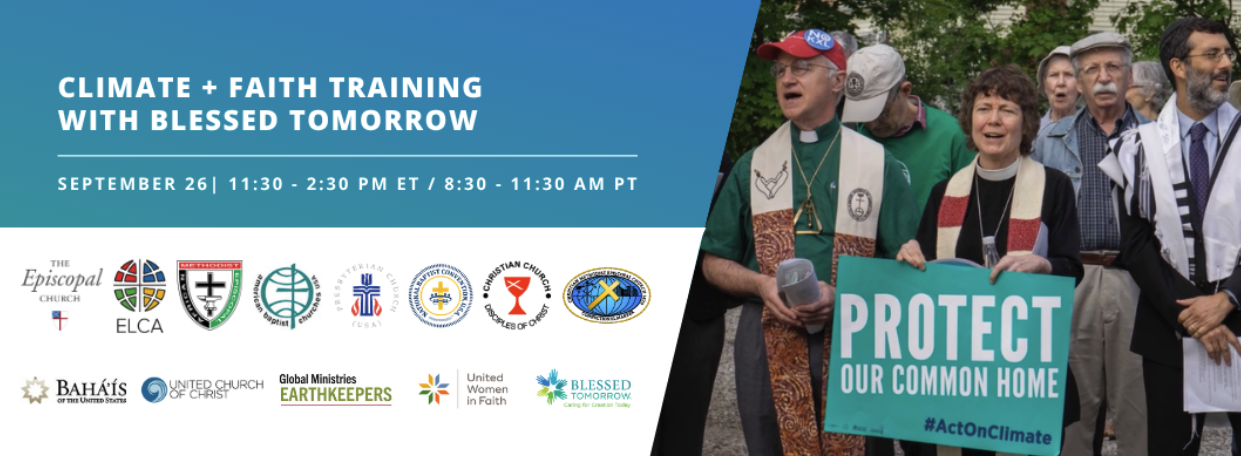
Blessed Tomorrow’s September newsletter features a free Climate Ambassador Training on Sept. 26, Season of Creation resources, climate advocacy opportunities, stories from faith communities and new tools for congregational action. Explore the full newsletter for registration links and ways to put care for creation into practice.
Lutherans Restoring Creation’s August Good Green News features upcoming opportunities for worship, learning and action, including Nature, Spirituality & Church in the Wild on August 25, Season of Creation resources, the 2026–27 EcoPreacher cohort, an environmental spirituality summit with Bill McKibben, and an ELCA creation-care film series beginning September 2.
Explore these events, new resources and more ways for individuals and congregations to connect Lutheran faith with care for God’s creation.
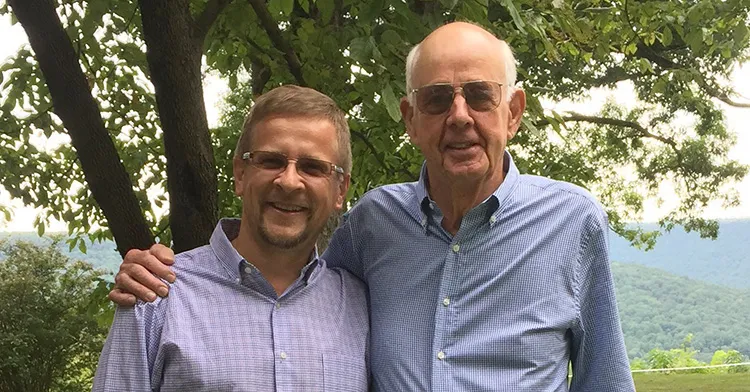
Theologian Norman Wirzba reflects on how writer and farmer Wendell Berry reshaped his understanding of faith, Creation, and humanity’s relationship to the land. Drawing on Scripture, Berry’s agrarian vision reminds Christians that caring for people is inseparable from caring for soil, water, food, and the communities that sustain life.
This thoughtful reflection explores a deeply Lutheran understanding of God’s presence in Creation and Christ’s work of reconciliation for all things. Read the original essay from Blessed Tomorrow.
Water is at the center of the July Blessed Tomorrow newsletter, which features a new film series on protecting waterways, an upcoming ecumenical clergy retreat, resources from Lutherans Restoring Creation, and stories of faith-based climate action. Explore practical tools and opportunities to connect creation care with your congregation’s ministry.
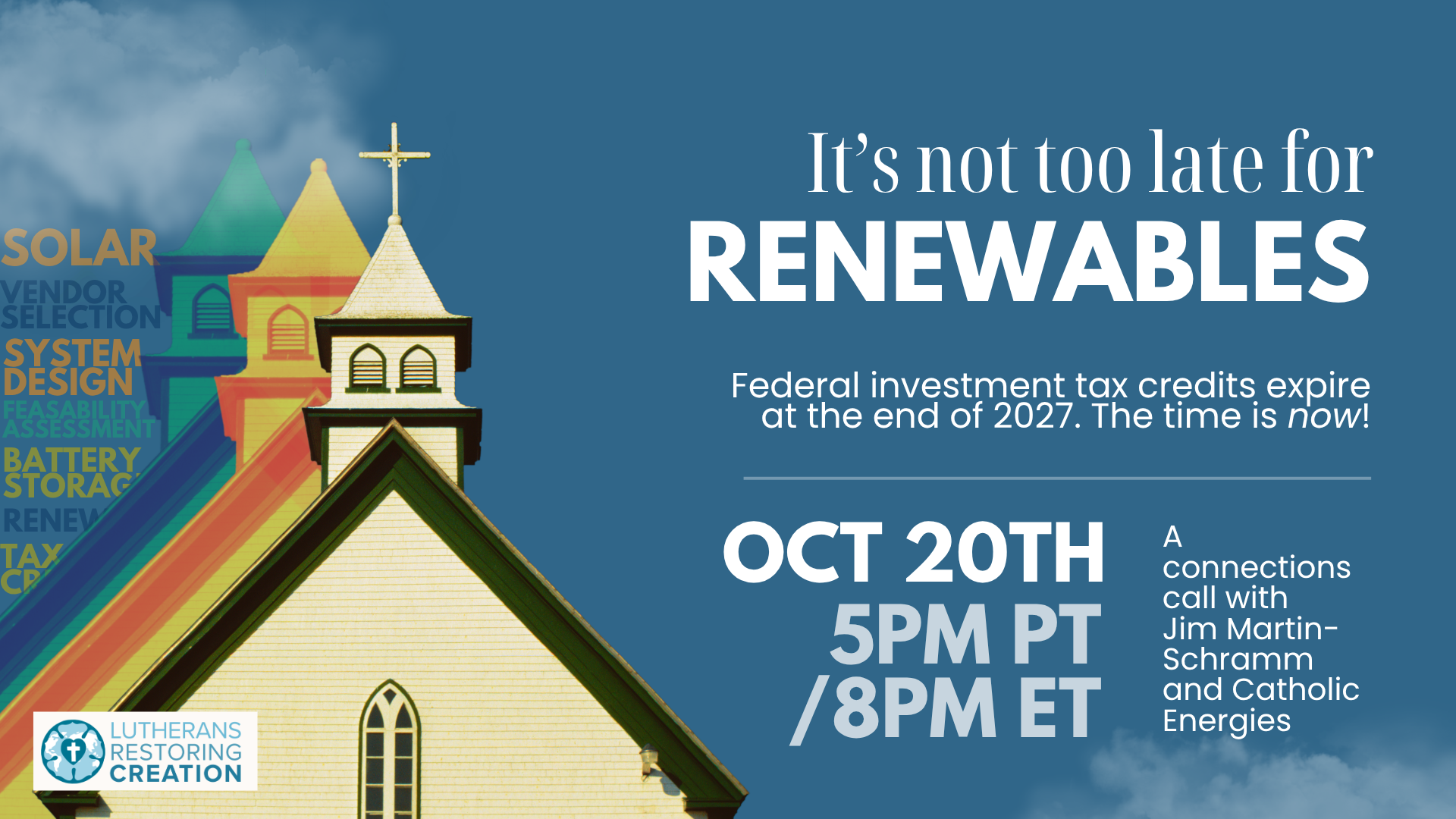
The latest Good Green News from Lutherans Restoring Creation includes an upcoming webinar on renewable energy and Lutheran ethics, an update on climate justice resolutions across ELCA synods, a new Faith + Climate Film Series, advocacy opportunities, and upcoming educational events. Read the full newsletter for registration links, resources, and ways your congregation can engage in faithful creation care and climate justice ministry.
In a deeply personal reflection reposted by Blessed Tomorrow, scholar Claire B. Crawford names the grief many feel amid climate anxiety, violence, division, and uncertainty while offering a prayerful call toward resilience, responsibility, and hope. Grounded in lament yet refusing despair, the piece invites readers to grieve what is broken without surrendering the possibility of healing and collective action. Read the original reflection from Blessed Tomorrow.
ELCA congregations are being encouraged to observe “Creation in Christ” (or “Feast of Creation”) beginning September 1 or the Sunday following. Rooted in ecumenical collaboration and ancient Christian tradition, the observance celebrates Christ’s role in creation while inviting deeper care for the world God has made.
Worship resources, lectionary texts, and planning guidance are beginning to emerge as congregations discern how this observance may fit in their local context. Read More About “Creation in Christ.”
The June Blessed Tomorrow newsletter offers new creation care resources for congregations, including a new multi-faith film series, climate leadership opportunities, advocacy actions, and practical tools for supporting families and communities in a changing climate. Explore stories of faithful action, new research, and ways your congregation can deepen its care for God’s creation. Read the newsletter in full.
More than 1,250 people from all 50 states, Washington, DC, Puerto Rico, and 26 countries gathered online and in houses of worship for the 2026 National Faith + Climate Forum, representing 33 faith traditions and 703 congregations. Now, the full recording is available for congregations and leaders seeking to deepen their commitment to faithful climate action and care for creation.
Explore the recording, participant guide, and practical resources to continue conversations and ministry in your congregation—from climate leadership training to faith-based creation care initiatives. Read more and watch the recording.
Lutherans Restoring Creation’s latest Good Green News includes new climate justice resources, a Faith + Climate Film Series, advocacy around a proposed Decade of Climate Justice resolution, and upcoming events including Coffee with Christine and a renewables ethics conversation. Learn how your congregation can engage faithful care for creation and explore the full newsletter for links, dates, and action opportunities.
“But ask the animals, and they will teach you;
the birds of the air, and they will tell you;
ask the plants of the earth, and they will teach you;
and the fish of the sea will declare to you.
Who among all these does not know
that the hand of the Lord has done this?
In his hand is the life of every living thing
and the breath of every human being.”
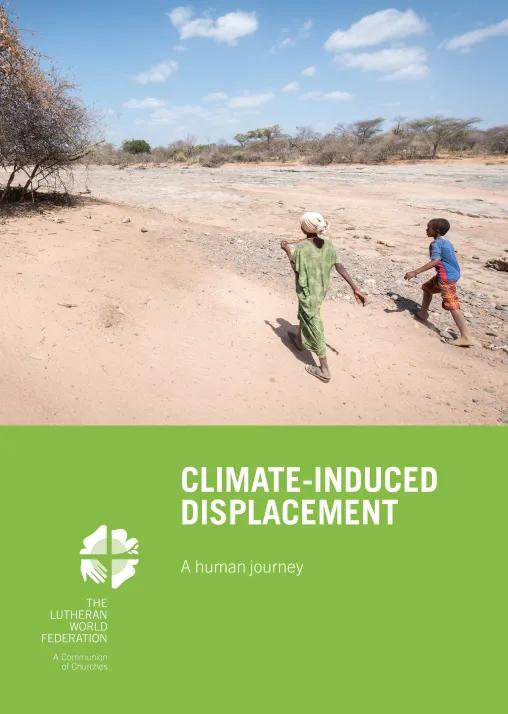
A new study from the Lutheran World Federation examines the human realities of climate-induced displacement in Ethiopia, Kenya, and Somalia, where droughts, floods, and other climate shocks are forcing families from their homes and livelihoods. Based on interviews and focus groups with displaced communities, the report highlights challenges including access to land, water, healthcare, education, and legal recognition—and the resilience and solidarity communities demonstrate in response.
Climate-Induced Displacement: A Human Journey calls for stronger early-warning systems, rights-based and inclusive policies, and meaningful participation by displaced people themselves. It also highlights the important role churches and faith-based organizations can play in fostering care, solidarity, resilience, and climate justice. Read the LWF report and explore its findings.