Faith Freedom Dispatch: Standing Against Christian Nationalism and for Religious Freedom for All
The latest Faith Freedom Dispatch from Baptist Joint Committee for Religious Liberty (BJC) offers timely examples of faith-rooted advocacy at work—protecting religious freedom, resisting Christian nationalism, and standing with those most vulnerable in this moment.
Leading the issue: BJC is organizing alongside Texas faith leaders, civil rights partners, and community advocates to oppose a proposed state-organized prayer mandate in public schools. While framed as supportive of religion, the policy would place government pressure on students and schools—especially harming those from minority faith traditions or those who believe differently. BJC and its partners are clear: prayer is strongest when it is voluntary, personal, and free from government control. Resources, sign-on letters, and organizing tools are available for communities committed to keeping faith free for all.
The Dispatch also highlights opportunities to deepen engagement and leadership. Those discerning a call to advocacy are invited to learn more about the BJC Fellows Program at a no-obligation informational session on January 20 at 4:00 p.m. ET. Applications for the 2026 Fellows cohort are now open, with the program bringing together young professionals from diverse backgrounds for formation, learning, and practical advocacy.
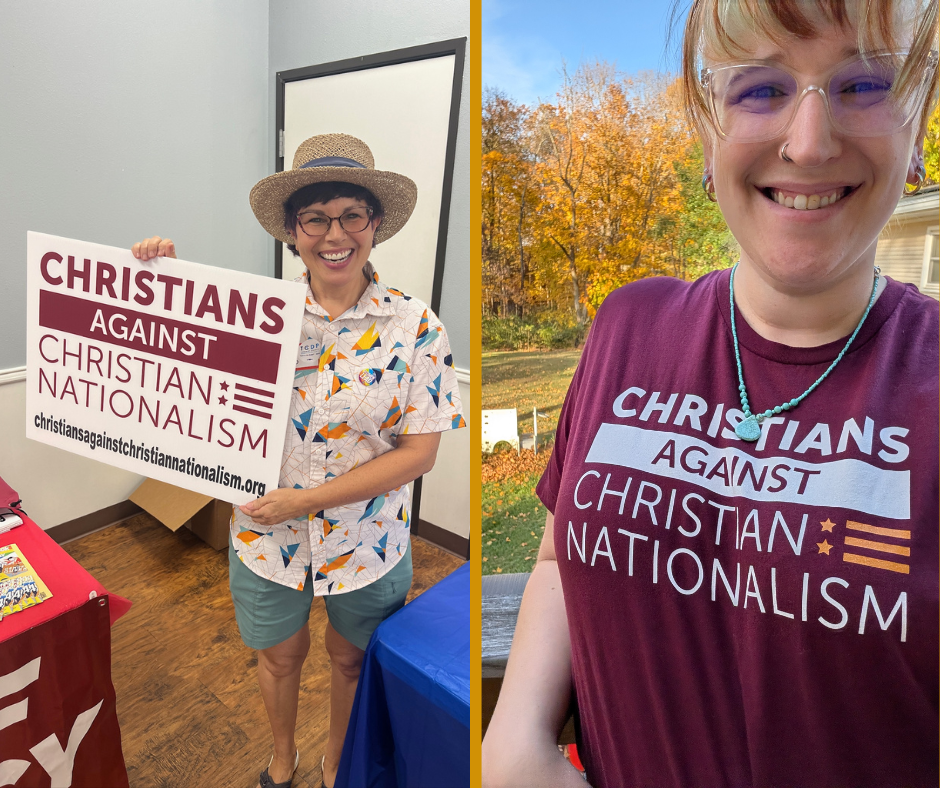
Another powerful story comes from North Texas, where clergy and volunteers with Christians Against Christian Nationalism have shown up weekly at an ICE field office to offer meals, presence, and prayer to families during stressful check-ins. On Christmas Eve, clergy shared communion from a makeshift altar—a quiet but profound witness that dignity, belonging, and grace are not confined by walls or policies.
The newsletter also announces the Winter 2025 issue of Report from the Capital, featuring reflection and reporting on the Sanctuary Movement, a Supreme Court case on prisoners’ religious freedom, and faith-based organizing rooted in pluralism and democracy. It is a snapshot of renewal, resilience, and preparation for what lies ahead.
Finally, clergy across traditions are invited to a Faith-Rooted Clergy Organizing call on January 29, focused on courageous risk-taking and practical next steps to help congregations resist Christian nationalism and uphold democracy.
For Lutherans committed to the gospel’s call to love neighbor, defend conscience, and seek the common good, this issue offers both encouragement and concrete ways to act. We encourage you to read the Faith Freedom Dispatch in full, explore the linked resources, and consider how your congregation or ministry might participate in this vital work.