Prepared to Welcome: Why Congregational Security Is a Ministry of Care
In 2026, the Grand Canyon Synod will be sharing a year-long series of short reflections and practical guidance on congregational security and preparedness. This series begins with a simple but essential conviction: security planning is not about fear—it is a ministry of care.
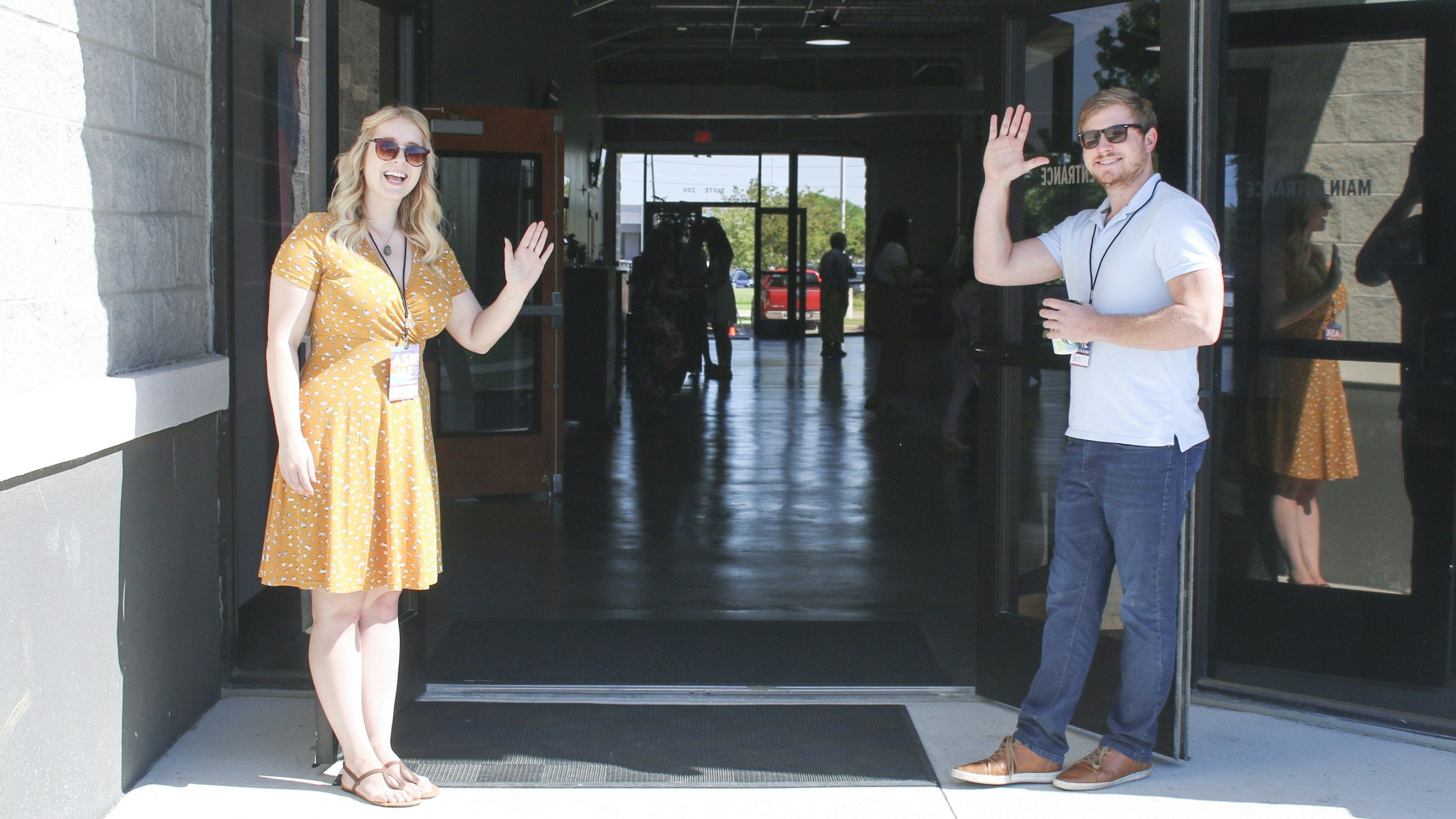
Churches exist to welcome. We open our doors to strangers, neighbors, children, elders, seekers, and skeptics alike. That welcome is at the heart of the gospel. At the same time, faithful welcome in our current context also calls us to thoughtful preparation—caring for people’s physical safety so that worship, learning, and service can take place with trust and confidence.
Jesus’ own words give us a frame for this work: “Be wise as serpents and innocent as doves.” Wisdom does not negate grace. Preparation does not contradict hospitality. In fact, security planning is one way congregations live out their baptismal promise to care for others and the world God made.
Why we are focusing on this in 2026
Across the wider church, congregations are being encouraged to review security practices as part of basic stewardship and risk management. Incidents of violence, threats, and disruptive behavior—while still rare—have touched houses of worship across the country. Most importantly, research consistently shows that simple, proactive steps can reduce risk and improve response when something goes wrong.
At the request of Synod Vice President Mark Myers, and following discussion at the Executive Committee and Synod Council, the synod has gathered a broad set of trusted resources into one place:
Congregational Security & Preparedness Resources: gcsynod.org/security
This page includes ELCA churchwide guidance, insurer resources, and federal best-practice materials designed specifically for churches and nonprofit ministries. It will be updated periodically as new tools become available.
Security as an expression of care
When congregations talk about security, it can sometimes feel uncomfortable or out of step with our identity as the church. This series is intentionally grounded in a different perspective.
Security planning is:
Care for people, especially children, elders, staff, and volunteers
Stewardship of buildings and ministries entrusted to us
Preparation, not panic, rooted in calm, thoughtful decision-making
Shared responsibility, not the burden of one pastor or one council member
At its best, security work is quiet, humble, and largely invisible—much like good pastoral care. It is not about turning churches into fortresses, but about removing unnecessary risk so that ministry can flourish.
What this series will cover
Over the course of 2026, we will share one or two brief posts each month, each highlighting a single, manageable aspect of congregational security, including topics such as:
Starting the conversation at council and staff meetings
Building relationships with local police, fire, and EMS
Simple building walk-throughs to review entrances, exits, and lighting
Training ushers, greeters, and volunteers to notice and respond wisely
Understanding concerning behavior and reporting pathways
Developing or updating emergency and evacuation plans
Caring for emotional and spiritual needs after a crisis
Each post will link back to the main resource page so congregations can explore more deeply at their own pace.
A gentle invitation
You do not need to do everything at once. Many congregations will begin simply by talking about security openly and calmly, naming it as part of faithful care rather than something to avoid or postpone.
We invite you to bookmark and share the synod’s Congregational Security & Preparedness Resources page:
As we move through this series together, our hope is that congregations across the Grand Canyon Synod will feel better equipped—not anxious, but grounded; not fearful, but prepared; not closed off, but prepared to welcome with wisdom and care.