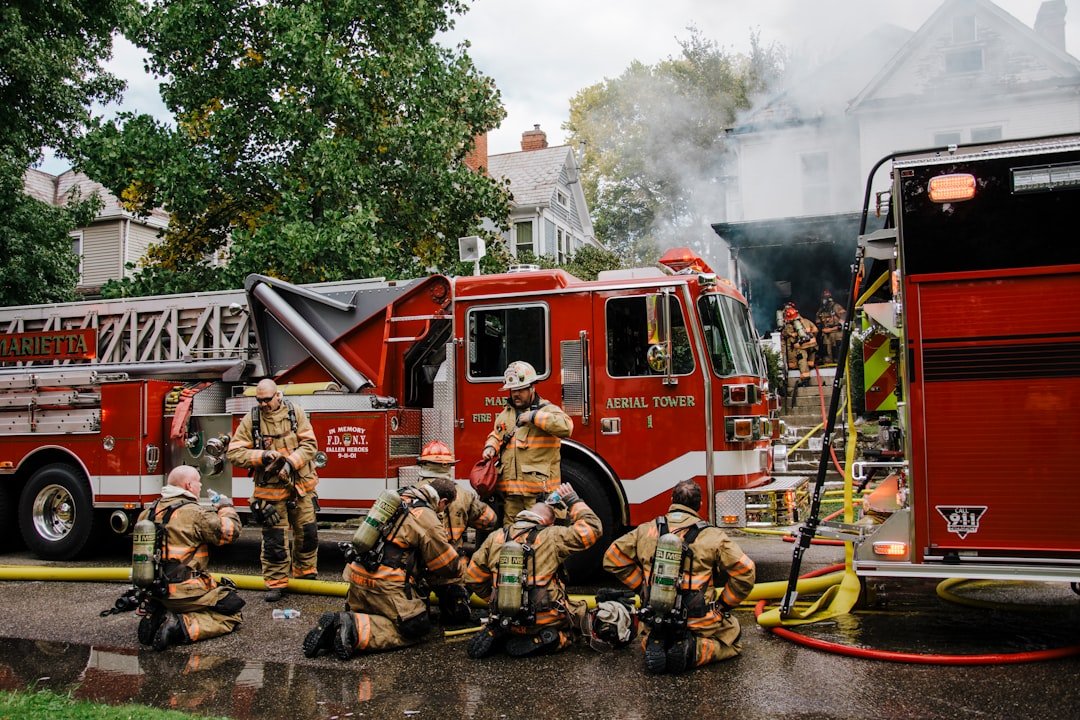
Prepared in Community: Why Congregations Should Know Their First Responders
As part of our 2026 Congregational Security & Preparedness series, we turn to one of the most practical and impactful steps a congregation can take: build relationships with local law enforcement, fire departments, and emergency medical services (EMS)—before a crisis occurs.
Across multiple churchwide and safety resources, one theme is clear: relationships matter. When first responders already know your building, your leaders, and your basic plans, they are able to respond more quickly, more effectively, and with greater confidence in an emergency.
If your congregation does only a few things to strengthen preparedness, this is one of the most important.
Why this matters
In an emergency, seconds matter. When local police, firefighters, or EMS personnel are already familiar with your facility and leadership, they do not have to start from scratch.
Simple pre-existing relationships can help:
Speed up response time and coordination
Improve communication during a crisis
Reduce confusion about building layout and access points
Support better outcomes for those in need of care
The ELCA’s Protecting Employees – Security Procedures in the Workplace resource specifically encourages congregations to build relationships with local authorities and share building information in advance, rather than waiting until an incident occurs. Download and view as PDF here.
What this can look like
This work does not need to be complicated or formal. In many cases, it begins with a simple introduction.
Congregations might consider:
Reaching out to your local police and fire departments
Introduce your congregation, share contact information for key leaders, and express a desire to build a relationship.
Inviting first responders to visit your campus
Offer a walk-through of your building so they can become familiar with entrances, exits, gathering spaces, and any unique features.
Providing basic building information
This may include photos, simple floor plans, or notes about areas like nurseries, fellowship halls, or offices.
Notifying authorities of large or special events
Festivals, holiday services, or community gatherings may benefit from additional awareness or coordination.
Asking for guidance
Many departments are willing to offer suggestions on lighting, access points, emergency planning, and communication protocols.
These steps are not about turning over responsibility, but about building mutual awareness and trust.
A ministry of presence and partnership
From a Lutheran perspective, this work reflects our understanding that we are not called to serve in isolation. God works through community—through relationships, shared knowledge, and collective care.
Local first responders are already part of that community. Many are neighbors, family members, or even members of our congregations. Building relationships with them is not just practical—it is an extension of our shared vocation to care for one another.
This also helps shift the posture of security from something internal and reactive to something relational and collaborative.
A simple next step
If your congregation has not yet made these connections, consider adding this to your next council or staff agenda:
Identify who will reach out to local police, fire, and EMS
Set a goal of making initial contact within the next month
Consider scheduling a brief site visit or conversation
Even one conversation can make a meaningful difference.
Keep building
As with each step in this series, you do not need to do everything at once. Start small. Build one relationship. Take one step forward.
For additional tools and guidance, visit the synod’s resource hub:
👉 Congregational Security & Preparedness Resources: gcsynod.org/security
Together, as congregations across the Grand Canyon Synod, we can continue to grow as communities that are not only welcoming, but also prepared, connected, and grounded in care.