
Scroll

Featured News
News

Now accepting applications: The 2025 Manna Grant offers up to $20,000 in total funding to Grand Canyon Synod ministries that address hunger and its root causes. Projects must demonstrate a commitment to inclusive leadership. Apply by July 31. Made possible through a legacy gift from Orpha Hoganson of Ascension Lutheran, this grant continues her mission to combat hunger with love and equity.

Navigating church governance can be complex, but a new resource from Pastor David Brandfass and Pastor Dan Potaznick clarifies the role of bylaws and continuing resolutions in ELCA congregations. This How-To Guide helps church leaders align their governing documents with ELCA best practices while maintaining flexibility for ministry needs. Available now at www.gcsynod.org/congregations, this resource is essential for congregational councils and leadership teams.

Join the Pray Without Ceasing movement—a Spirit-led call to prayer spreading across the ELCA. Weekly Zoom gatherings on Thursdays at 1:00 p.m. Central connect prayer leaders and participants from around the country. Pray for peace, for renewal, and for your neighbors. Learn more and receive the Zoom link to join in: pray-without-ceasing.org
If you have created a group, or would like more information, please contact the Director for Evangelical Mission, Pr. David Pavesic at david.pavesic@elca.org.

Celebrate the 2025 Diakonia graduates (view grads in this PDF) with us on Saturday, June 28 at 11:00 AM MST at Our Saviour’s Lutheran in Tucson, or online via YouTube. This joyful service and luncheon, featuring a message from Bishop Hutterer, honors those completing one or two years of faith formation through the Diakonia program. RSVP by June 15 to tinag963@yahoo.com or watch the livestream.
Help Us Host the Church
Volunteer for the 2025 ELCA Churchwide Assembly
The Grand Canyon Synod is honored to host the 2025 ELCA Churchwide Assembly in Phoenix this July 28–August 2. We need up to 100 volunteers to help make this event a success! Open shifts include airport greeters, registration, worship support, and more. Learn how you can serve and sign up at gcsynod.org/cwa.

Latest News
Join Mount of Olives Lutheran Church in Phoenix for their final free summer jazz concerts—JJuly 13 with Beth Lederman & Dennis Rowland. Held at 5:30 PM, these Music for Food events support the Olive Branch Food Pantry, which feeds over 150 families weekly. Come for the music, stay for the mission.
Stepping Up to Supervision is a practical, faith-based leadership training designed to help ministry leaders supervise with clarity and care, while staying rooted in their pastoral identity. Led by author and coach Rev. Susan Beaumont, this live online training runs August 5–19 and includes 9 contact hours, a comprehensive workbook, and year-long access to all materials. Scholarships available.
Your ministry matters! Help us share the good news of faith in action across the Grand Canyon Synod. Whether your congregation is hosting an event, looking for volunteers, or seeking to fill a ministry position, we want to hear from you. Submitting is easy—just visit gcsynod.org/share to send us your updates. Let’s strengthen our synod by sharing the ways God is working in our communities!
Today we celebrate the ordination anniversaries of:
Rev. Randy Winsand, Ascension, Scottsdale, who celebrates 12 years on June 30.
Rev. Myron Nysether, who celebrates 51 years on June 30.
Rev. William Dowling, who celebrates 65 years on June 30.
Rev. John Williams, who celebrates 52 years on June 30.
Today we celebrate the ordination anniversary of Rev. Gayle Bintliff, who celebrates 24 years on June 29.
Today we celebrate the ordination anniversary of Rev. Craig Corbin, Mount Olive, Lake Havasu City, who celebrates 38 years on June 28.
Today we celebrate the ordination anniversary of Rev. David Towers, who celebrates 49 years on June 27.
The Office of the Bishop celebrates the 2025 Diakonia Graduation in Tucson (and also online), Jun 28, 2025, 11:00 AM – 12:00 PM. We also take some respite after assembly.
Today we celebrate the ordination anniversary of Rev. John Geske, Mayo, Scottsdale, who celebrates 37 years on June 26.
Today we celebrate the ordination anniversaries of:
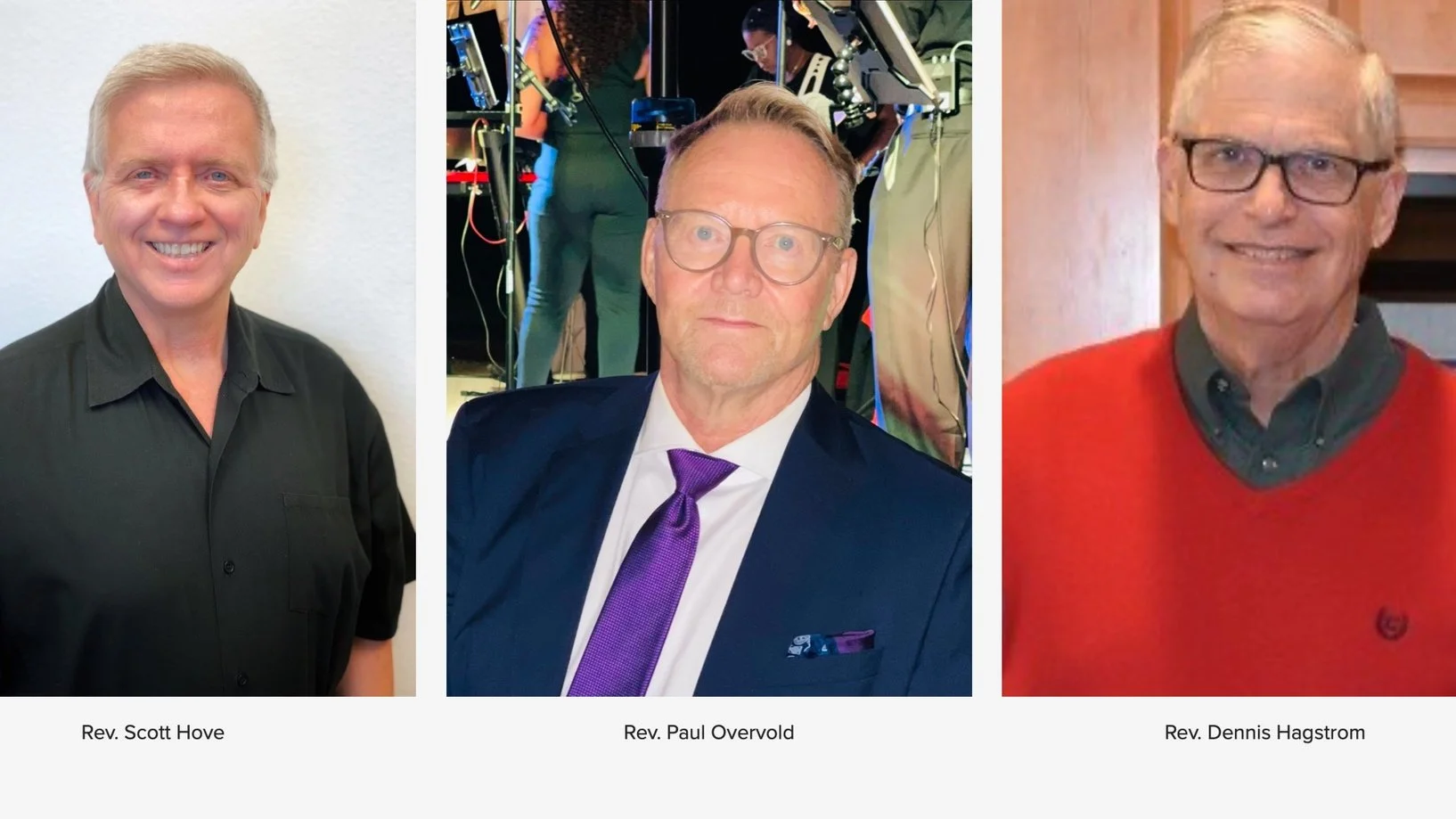
Rev. Scott Hove, Good Samaritan, Las Vegas, Good Sam at The Lakes, Las Vegas, who celebrates 30 years on June 25.
Rev. Paul Overvold, who celebrates 47 years on June 25.
Rev. Dennis Hagstrom, who celebrates 48 years on June 25.
Rev. Stephen J. Nelson, who celebrates 47 years on June 25.
Today we celebrate the ordination anniversary of Rev. Glenn Zimbelman, who celebrates 41 years on June 24.
Now accepting applications: The 2025 Manna Grant offers up to $20,000 in total funding to Grand Canyon Synod ministries that address hunger and its root causes. Projects must demonstrate a commitment to inclusive leadership. Apply by July 31. Made possible through a legacy gift from Orpha Hoganson of Ascension Lutheran, this grant continues her mission to combat hunger with love and equity.
Lutheran school leaders are invited to the ELEA Leadership Conference 2025, “Inspiring Leaders, Strengthening Faith,” held November 5–7 in Cleveland, Ohio. This national gathering offers three days of professional development, spiritual renewal, and community for educators shaping the future of Lutheran schools. Register now and join the movement to nurture the next generation of faithful leaders.
Feeling like your church doesn’t have enough? Join a free webinar on Thursday, Aug. 14 at 6 p.m. Central (4 p.m. AZ)to discover the hidden resources your congregation already holds. Learn from the Kaleidoscope Institute how currencies of relationship, truth, and more can help us move from a mindset of scarcity to one of abundance. No registration required—just click to join.
Do you know a young dancer? The ELCA is seeking Phoenix-area students and young adults to participate in the Opening Worship of Churchwide Assembly on Monday, July 28 at the Phoenix Convention Center. Dancers will rehearse and perform from 10:00 a.m. to 4:30 p.m.—a rare opportunity to offer movement as worship. Contact Deacon Sarah Bjornebo at sbjornebo@yahoo.com or 303-257-3356 to share names or learn more.
Navigating church governance can be complex, but a new resource from Pastor David Brandfass and Pastor Dan Potaznick clarifies the role of bylaws and continuing resolutions in ELCA congregations. This How-To Guide helps church leaders align their governing documents with ELCA best practices while maintaining flexibility for ministry needs. Available now at www.gcsynod.org/congregations, this resource is essential for congregational councils and leadership teams.
Featured Events
Featured

The Grand Canyon Synod will host the 2025 ELCA Churchwide Assembly in Phoenix from July 28–August 2, 2025. We’ll need up to 100 volunteers to assist with this significant event, held at the Phoenix Convention Center. Visit our Churchwide Assembly page to learn how you can help. For early inquiries, contact Mary Beth Baron at mbbaron@gcsynod.org. Help us welcome the wider ELCA church to Phoenix!
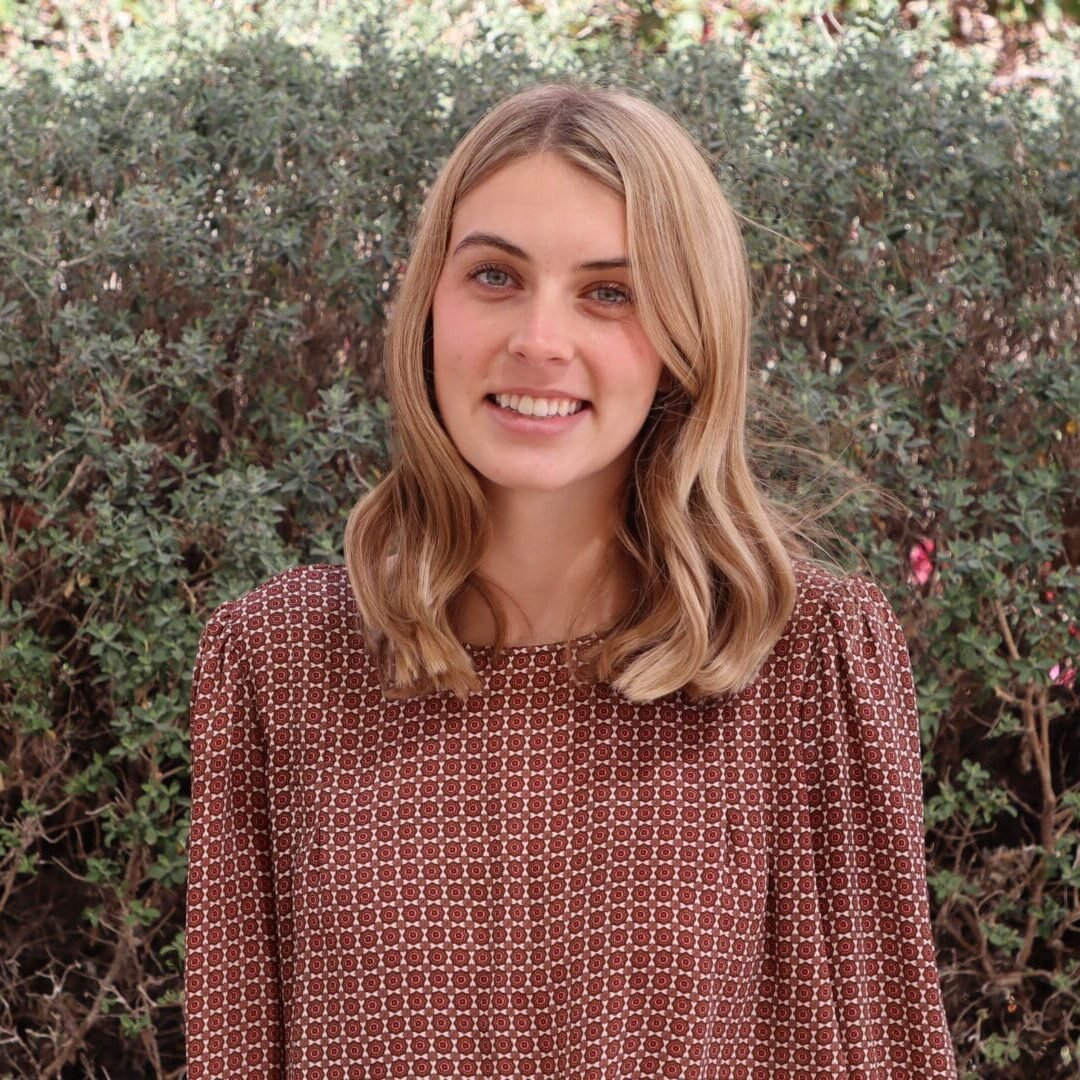
Deacon Emma Janzen will be installed Sunday, 8/10/2025, 10:45 AM, at Resurrection Lutheran Church, (11575 N 1st Ave., Oro Valley, AZ 85737, livestream here), with Pastor Jacqui Pagel preaching and presiding.

The 2025 Bishop’s Fall Gathering will take place from September 29 through October 1 at the Franciscan Renewal Center in Scottsdale. This annual event offers a time of spiritual renewal, theological reflection, and fellowship for all within the Grand Canyon Synod. Mark your calendars, and stay tuned for more details!

Rostered and synodically authorized ministers are invited to “Bearing Worthy Fruit,” a fall retreat led by Rev. Karoline Lewis, October 13–15 at the Franciscan Renewal Center in Scottsdale. Together, participants will explore gender justice, embodied leadership, and preaching rooted in God’s transformation. Registration opens May 1 and space is limited to 25 participants.

Featured
Join Mount of Olives Lutheran Church in Phoenix for two free summer jazz concerts—June 8 with Beth Lederman & Hope Morgan, and July 13 with Beth Lederman & Dennis Rowland. Held at 5:30 PM, these Music for Food events support the Olive Branch Food Pantry, which feeds over 150 families weekly. Come for the music, stay for the mission.
The Grand Canyon Synod will host the 2025 ELCA Churchwide Assembly in Phoenix from July 28–August 2, 2025. We’ll need up to 100 volunteers to assist with this significant event, held at the Phoenix Convention Center. Visit our Churchwide Assembly page to learn how you can help. For early inquiries, contact Mary Beth Baron at mbbaron@gcsynod.org. Help us welcome the wider ELCA church to Phoenix!
Calling all hunger champions: join this network of the Grand Canyon Synod! Meet to hear updates on national and local Hunger and Food Insecurity efforts and initiatives, to learn from one another, and to share with the group what's happening in our congregations. Anyone interested in alleviating hunger is welcome. Prepare to be encouraged and supported! Click here to access the meeting, at 6pm on the last Tuesday of every month.
Now accepting applications: The 2025 Manna Grant offers up to $20,000 in total funding to Grand Canyon Synod ministries that address hunger and its root causes. Projects must demonstrate a commitment to inclusive leadership. Apply by July 31. Made possible through a legacy gift from Orpha Hoganson of Ascension Lutheran, this grant continues her mission to combat hunger with love and equity.
Deacon Emma Janzen will be installed Sunday, 8/10/2025, 10:45 AM, at Resurrection Lutheran Church, (11575 N 1st Ave., Oro Valley, AZ 85737, livestream here), with Pastor Jacqui Pagel preaching and presiding.
Feeling like your church doesn’t have enough? Join a free webinar on Thursday, Aug. 14 at 6 p.m. Central (4 p.m. AZ)to discover the hidden resources your congregation already holds. Learn from the Kaleidoscope Institute how currencies of relationship, truth, and more can help us move from a mindset of scarcity to one of abundance. No registration required—just click to join.
Calling all hunger champions: join this network of the Grand Canyon Synod! Meet to hear updates on national and local Hunger and Food Insecurity efforts and initiatives, to learn from one another, and to share with the group what's happening in our congregations. Anyone interested in alleviating hunger is welcome. Prepare to be encouraged and supported! Click here to access the meeting, at 6pm on the last Tuesday of every month.
The 2025 Bishop’s Fall Gathering will take place from September 29 through October 1 at the Franciscan Renewal Center in Scottsdale. This annual event offers a time of spiritual renewal, theological reflection, and fellowship for all within the Grand Canyon Synod. Mark your calendars, and stay tuned for more details!
Calling all hunger champions: join this network of the Grand Canyon Synod! Meet to hear updates on national and local Hunger and Food Insecurity efforts and initiatives, to learn from one another, and to share with the group what's happening in our congregations. Anyone interested in alleviating hunger is welcome. Prepare to be encouraged and supported! Click here to access the meeting, at 6pm on the last Tuesday of every month.
Rostered and synodically authorized ministers are invited to “Bearing Worthy Fruit,” a fall retreat led by Rev. Karoline Lewis, October 13–15 at the Franciscan Renewal Center in Scottsdale. Together, participants will explore gender justice, embodied leadership, and preaching rooted in God’s transformation. Registration opens May 1 and space is limited to 25 participants.
Synod Spotlight
This section is dedicated to celebrating and lifting up the everyday work of our congregations, ministries, and partners at various levels—from local to global. Join us in gratitude and prayer for these people and organizations. View all our spotlight posts here.



Land Acknowledgment
We acknowledge and honor the original inhabitants of the various regions of our synod. The Grand Canyon Synod is spread across lands in Arizona, Nevada, and Utah, which are currently home to over two dozen tribal nations.
We acknowledge and honor these communities, their elders both past and present, as well as future generations. We give thanks to our Indigenous siblings who have cared and continue to care for this place — this land — and call it their home.
Learn more about ELCA Indigenous Ministries, land acknowledgments, and Native American and Indigenous education resources.
Join Mount of Olives Lutheran Church in Phoenix for their final free summer jazz concerts—JJuly 13 with Beth Lederman & Dennis Rowland. Held at 5:30 PM, these Music for Food events support the Olive Branch Food Pantry, which feeds over 150 families weekly. Come for the music, stay for the mission.